Islamic Monotheism
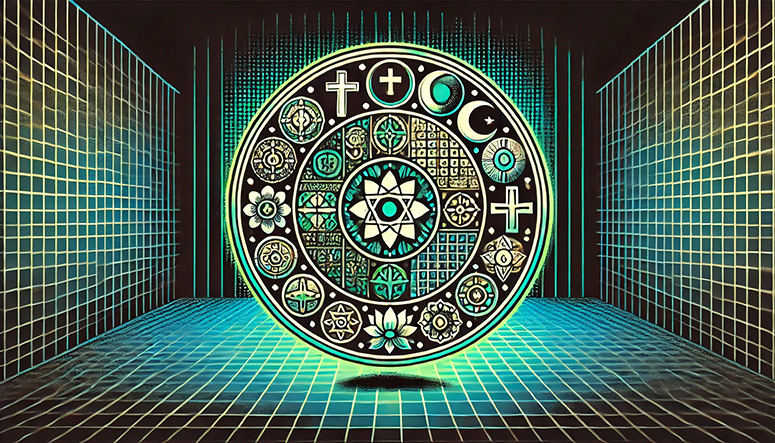
Islamic Monotheism, also known as Tawhid in Arabic, is the fundamental belief in the oneness of Allah, the supreme being and the central focus of Islam. This concept encompasses the absolute unity, uniqueness, and indivisibility of Allah as the sole deity, the creator, sustainer, and judge of the universe. Understanding Islamic Monotheism requires a deep appreciation for the interconnectedness between Allah, Prophet Muhammad, Islam, and monotheistic beliefs. As Muslims, they believe that Prophet Muhammad is the last in a line of messengers sent by Allah to guide humanity towards the right path, and that he brought the final revelation, the Quran, which confirms and completes previous scriptures. In this context, Islamic Monotheism represents the purest form of monotheistic worship and belief, as it rejects any form of polytheism or associating partners with Allah. It emphasizes the importance of submitting oneself entirely to Allah's will, which is the essence of Islam. By embracing Islamic Monotheism, individuals strive to deepen their connection with Allah and cultivate a life marked by peace, compassion, and submission to the divine will. Islamic Monotheism can be seen as an extension of the broader monotheistic tradition, which includes religions such as Judaism and Christianity. However, it is unique in its emphasis on Prophet Muhammad's teachings and the Quranic revelation, which provide a comprehensive framework for understanding Allah's will and living in accordance with Islamic values. Ultimately, Islamic Monotheism is a profound expression of faith that seeks to unite humanity under a common belief in the one true God, Allah.