Muhammads Prophethood
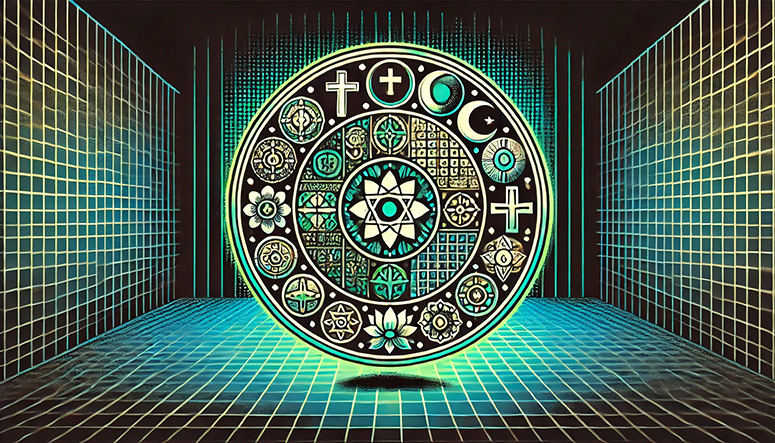
Muhammad's Prophethood refers to the religious and spiritual role of Prophet Muhammad in Islam, where he is considered the last in a line of prophets sent by God. This concept emphasizes Muhammad's divine mission to receive and convey the final revelation from God, known as the Quran, which forms the basis of Islamic teachings. Muhammad's Prophethood highlights his role as a messenger, teacher, and guide for humanity, embodying monotheistic principles central to Islam. It illustrates how Muhammad's experiences, teachings, and actions serve as a model for believers in their spiritual journey towards submission to God (Allah). Fitting into the broader context of the Bahá'í Faith's belief in prophethood within monotheistic religions, Muhammad's Prophethood is seen as part of an ongoing process of divine guidance throughout history. It emphasizes the unity and continuity of religious truth across various dispensations, with each messenger (including Muhammad) building upon and confirming the teachings of those who preceded them. By focusing on Muhammad's Prophethood, one can explore the significance of his mission in relation to monotheistic religions, as well as understand its place within the broader context of the Bahá'í Faith's belief in progressive revelation and prophetic guidance.