Neoclassical Architecture
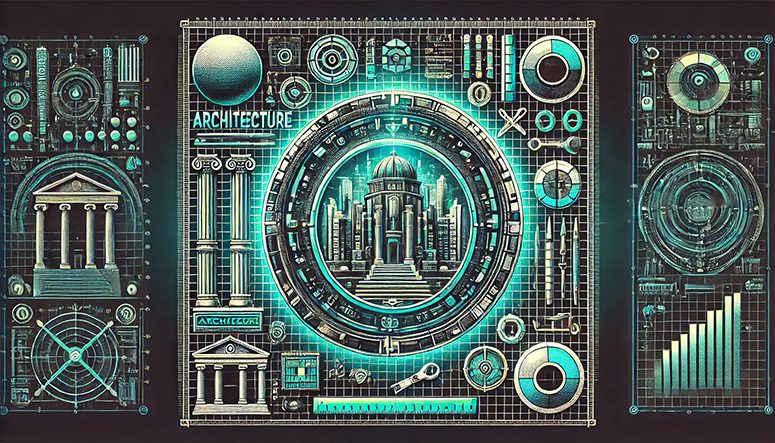
High-tech architecture is an innovative and advanced architectural style that emerged in the late 20th century, characterized by the use of cutting-edge technology, materials, and construction techniques to create visually striking and functional buildings. It represents a departure from traditional architectural styles, emphasizing instead the integration of technology and engineering into the design process. High-tech architecture is often associated with modern and expressionist architecture, but it goes beyond these styles by incorporating advanced systems and technologies that are not typically found in traditional building designs. These may include computer-controlled lighting and climate control systems, automated building maintenance and security systems, and cutting-edge materials such as composite materials, advanced alloys, and high-performance glass. The style is often used in large-scale commercial and public buildings, such as airports, museums, and convention centers, where the use of technology can enhance the functionality and user experience of the building. High-tech architecture is also increasingly being used in residential and smaller-scale projects, as architects seek to create visually stunning and highly functional spaces that reflect the values and aspirations of modern society. At its core, high-tech architecture represents a fusion of art and science, technology and design, and it challenges traditional notions of what a building can be or do. By embracing the latest advances in technology, materials, and engineering, high-tech architects are able to create buildings that are not only aesthetically pleasing but also highly functional, efficient, and sustainable, providing a glimpse into the future of architecture and design.