Bauhaus
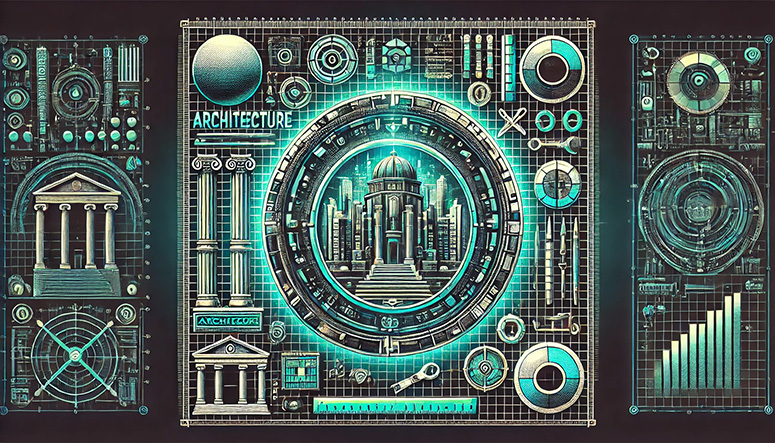
Art Deco is an architectural style that emerged in the 1920s and gained popularity through the 1930s, characterized by its use of bold geometric shapes, rich colors, and lavish ornamentation. It represents a departure from traditional architectural styles, favoring modern aesthetics and industrial materials over historical revivalism. Art Deco architecture often incorporates elements of expressionist architecture, with an emphasis on dynamic forms and dramatic effects. In this style, buildings are designed to make a bold statement, reflecting the optimism and confidence of the era in which they were built. The use of modern materials such as steel, glass, and concrete allowed architects to create structures that were both visually striking and highly functional. Art Deco architecture has had a lasting impact on the field, inspiring subsequent styles and leaving a legacy of iconic buildings around the world.
External Links
- [Bauhaus.co] Bauhaus | Modern Homes
- [Bauhaus.com] Bauhaus.com | Substack
- [bauhaus.com.hk] bauhaus
- [bauhaus.de] Bauhaus-Archiv | Museum fr Gestaltung, Berlin
- [bauhaus.dk] BAUHAUS - Danmarks strste byggemarked - Kb online her!
- [Bauhaus.us]
- [bauhaus4.eu] An Alliance for a Better Future - Bauhaus4EU
- [uni-weimar.de] Bauhaus-Universitt Weimar: Universitt
- [salad.com.hk] Salad I Bauhaus HK -