Generative Design
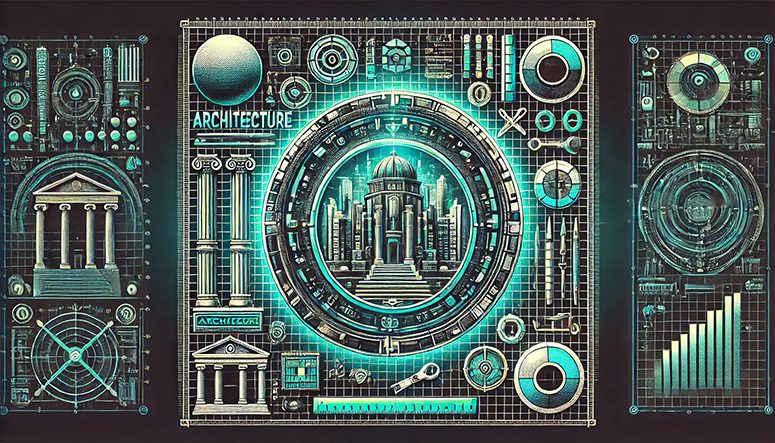
Generative Design is a creative approach to design that utilizes algorithms and computing power to generate multiple design options based on a set of defined parameters. In this process, designers specify the goals, constraints, and performance criteria for a project, and the computer generates numerous design alternatives that meet those specifications. This method enables designers to explore a wide range of possibilities quickly and efficiently, leading to innovative and optimized solutions. In the context of Computer Aided Design (CAD) and Architecture, Generative Design can be used to create complex geometries, optimize building layouts, and generate customized components, among other applications. It is a powerful tool that enhances the design process by augmenting human creativity with computational power, enabling designers to create better buildings, products, and environments.
Child Hierarchical Categories
[3D Architectural Design]
[3D Generative Design]
[Algorithmic Architectural Design]
[Computer Aided Engineering Design]
[Digital Computer Aided Design]
[Digital Generative Design]
[Engineering Architectural Design]
[Generative Engineering Design]
[Parametric Architectural Design]
[Procedural Architectural Generation]
External Links
- [GenerativeDesign.com] Generative Art and Science - Celestino Soddu
- [GenerativeDesign.org] Welcome | Generative Design Primer
- [sivi.ai] Sivi: Your Multilingual AI Designer | Generative Design
- [act2.com] act2.com | Generative AI Design
- [dxm.com] DXM Generative AI Creative Design Platform for Brands