Contemporary Industrial Architecture
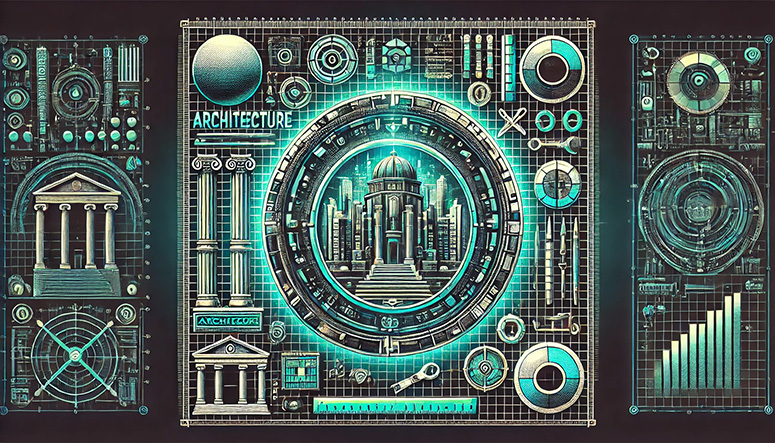
Contemporary Industrial Architecture encapsulates the fusion of modern design principles with traditional industrial aesthetics, creating visually striking and functional structures that serve various purposes in today's world. This architectural style prioritizes open spaces, natural light, and sustainable materials while incorporating advanced technology and innovative engineering techniques to optimize functionality and efficiency. Contemporary Industrial Architecture reflects a deep appreciation for the raw beauty of industrial materials such as steel, concrete, and glass, which are used in creative ways to emphasize form and structure. The design language is characterized by clean lines, minimal ornamentation, and a focus on functionality, resulting in buildings that exude a sense of strength, durability, and timelessness. This architectural style is not limited to any specific type of building but can be found in various contexts, including factories, warehouses, offices, residential spaces, and cultural institutions. Regardless of its application, Contemporary Industrial Architecture consistently emphasizes the importance of integrating design with technology, sustainability, and aesthetics to create unique and memorable structures that inspire and engage users.